Prakash sigdel, USA,
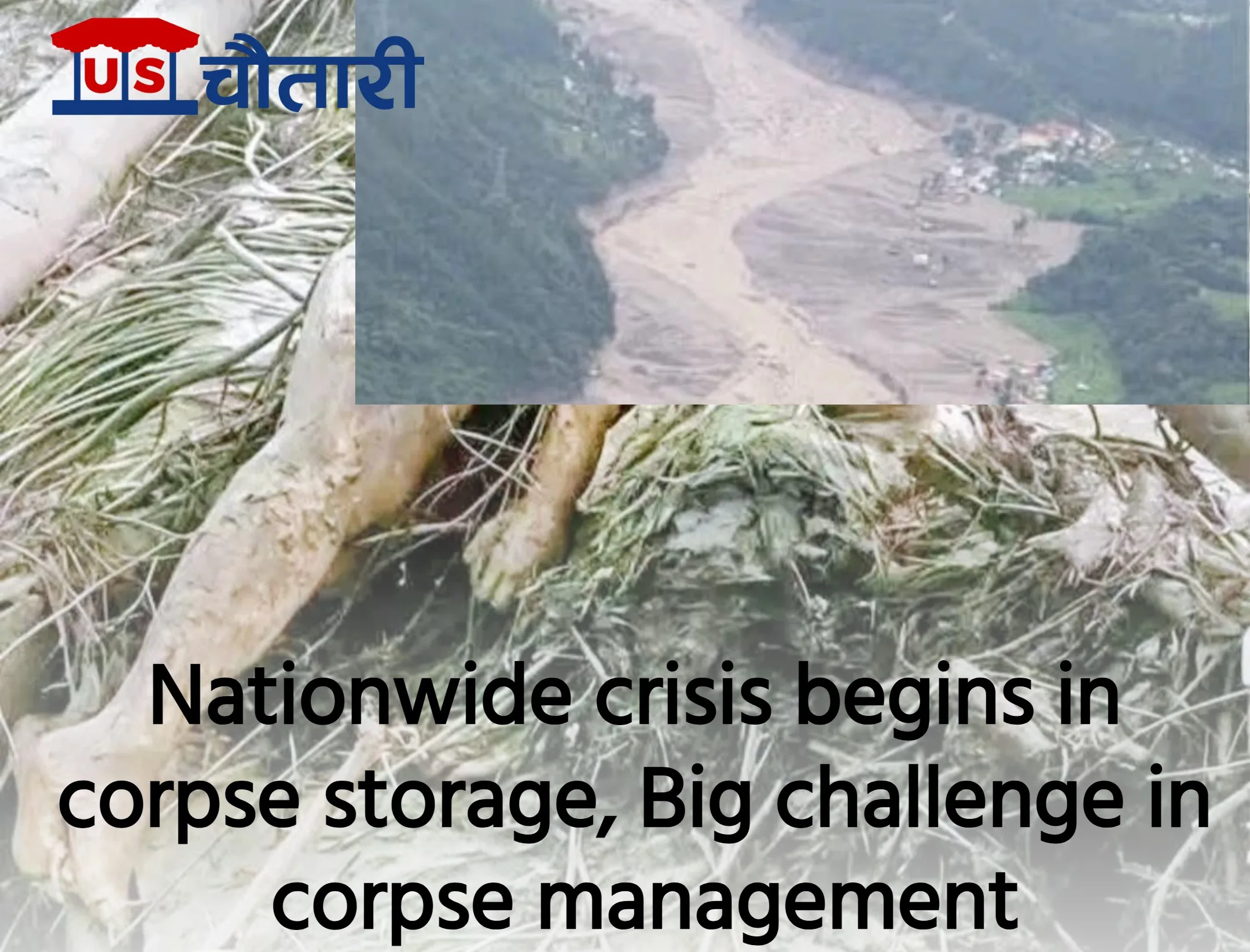
A nationwide crisis in body storage has begun. Since hospitals across the country have a capacity to store only about 300 to 350 bodies, managing bodies during major disasters poses a major challenge. In Chitwan, only three out of 178 bodies have been identified, while at Tribhuvan University Teaching Hospital, four out of 25 bodies have been identified. To solve the problem of body management, options such as keeping identified bodies separately, using ice packs in empty containers, or using a large hall are being discussed. According to the latest statistics from the Nepal Police, 489 bodies have been found after the Bhotekoshi flood. Most of the bodies have not been identified. The number of bodies being found continues. According to experts, a deep-freezer is a special refrigerator or box that is used to keep the body cold so that it does not decompose after a person dies (for example, when relatives are waiting to arrive, a post-mortem has to be performed, or legal procedures are pending). According to the latest data, 178 bodies have been kept at the Chitwan Chamber of Commerce and Industry, said Chief Superintendent of Police Rameshwor Karki of the District Police Office, Chitwan. He said, “The bodies of three of them have been identified. We will take the remaining bodies to hospitals.” The capacity of corpse management in various hospitals in Chitwan is 50. Similarly, the Tribhuvan University Teaching Hospital has the capacity to store 150 bodies. Information Officer of Tribhuvan University Teaching Hospital Kali Prasad Rosyara informed that four out of 25 bodies have been identified. He said, “The bodies of 21 have not been identified yet.